
Document equipment identity before discussing upgrades
In a property with several mechanical systems, photographs and model information help prevent confusion about which boiler or control serves the affected space. Record equipment labels only when they are accessible without removing covers. If there are multiple boilers, note whether they stage together or whether one appears offline. For a replacement or efficiency discussion, equipment identity also matters because venting, electrical service, gas supply, piping and control integration can affect project scope. A useful proposal should be based on an assessment of those conditions rather than a generic square-foot estimate alone. Keeping this information in building records also makes future emergency requests more precise.
Common Boiler Problems We Can Help Route in Wellington, Medford
Choose the problem that best matches what you are seeing. The detailed service pages explain the diagnostic considerations without repeating the same guide on every neighborhood page.
Boiler Repair in Wellington, Medford, MA
Wellington is a major eastern gateway to Medford. The City describes it as a commercial area, jobs center, shopping hub and MBTA-connected district, so heating requests can come from different property types rather than one uniform housing pattern.
A mixed-use district needs property-specific diagnosis
The Wellington area is changing, with city planning focused on a more connected mixed-use district around the station and commercial corridor. That makes it especially important not to assume a boiler type from the neighborhood name. A small residential boiler, a multi-zone system and commercial heating equipment require different diagnostic paths.
When submitting a request, identify whether the issue affects a residence or commercial property, whether heat is completely out or only inconsistent, and any equipment information visible without opening the boiler.
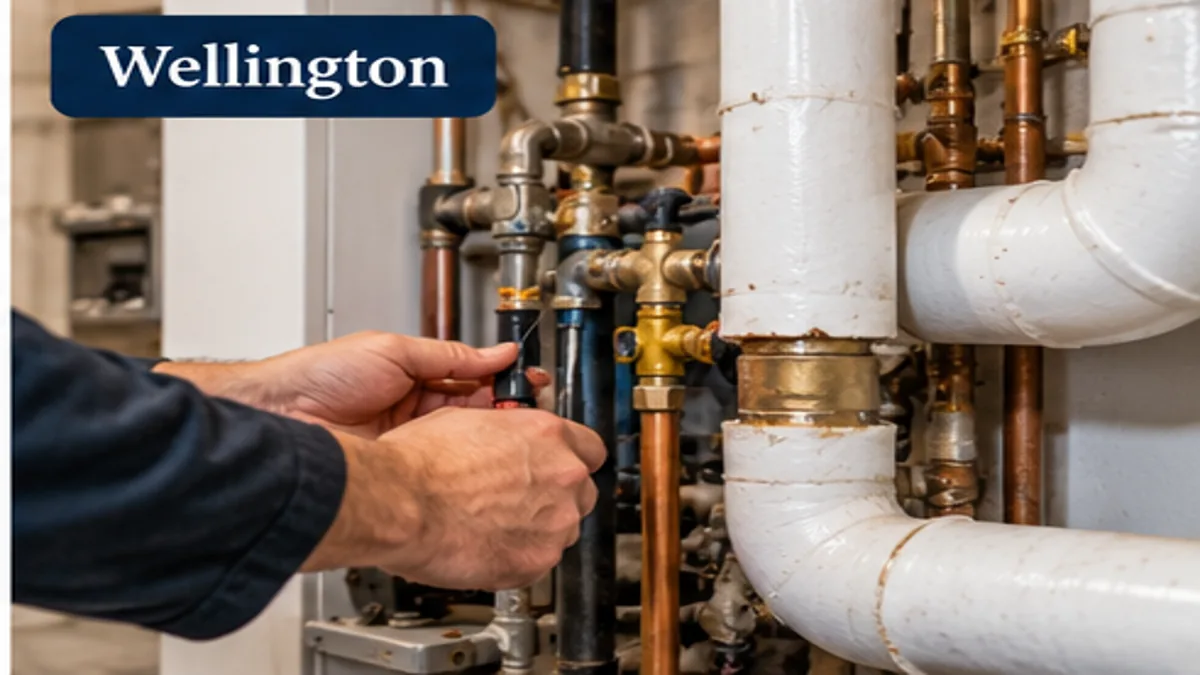
Wellington service requests can involve very different building loads
The City describes Wellington as a key commercial area, jobs center, shopping hub and regional gateway, with planning focused on a more mixed-use district. That context makes it especially important not to assume every heating call is a single-family boiler problem. A property may have residential, retail, office or shared-space heating demands, and the equipment serving those loads can be configured differently. When requesting service, identify the type of property, which areas are affected and whether the boiler serves one occupancy or several. The diagnosis should then follow the actual system rather than a generic neighborhood template.
Control schedules can create symptoms that look like equipment failure
In commercial or multifamily settings, heating may be influenced by programmable controls, building schedules, outdoor-reset logic or multiple thermostats. A space that is cold at a particular time may reflect a control or scheduling issue rather than a failed burner. Conversely, a boiler may be running normally while a valve, pump or terminal unit prevents heat from reaching one area. Record when the complaint occurs and whether it changes on weekends, overnight or during high occupancy. A technician can compare those patterns with control commands and equipment response. Avoid changing advanced controller parameters without documentation because temporary changes can obscure the original problem.
Large or shared systems need a defined service boundary
Before work begins, establish what equipment is included in the service request. A boiler plant can interact with pumps, indirect water heaters, air handlers, unit heaters, radiators or building automation. The contractor may need access beyond the boiler room to verify the reported symptom. If only one tenant area is affected, identify its thermostat and terminal equipment. If the whole building is affected, note whether domestic hot water or other boiler-served loads are also abnormal. Defining the service boundary prevents a central boiler from being blamed for a downstream problem and helps the estimate reflect the work actually required.
Piping and valve conditions can matter as much as the boiler
A well-functioning heat source cannot deliver comfort through a circuit with poor flow, a failed valve, trapped air or a pump problem. In mechanical rooms with more extensive distribution, labels and isolation valves can be important for tracing circuits. Visible corrosion or staining should be reported, but appearance alone does not prove active leakage. A professional can inspect joints, valve stems, pump flanges and pressure behavior under operating conditions. Do not operate unfamiliar isolation valves simply to “see what happens”; closing the wrong valve can interrupt circulation or create an unsafe operating condition.
Commercial urgency should be described by impact, not by an invented response guarantee
A heating problem can be urgent because occupants are without heat, a business area cannot operate normally, or freezing conditions threaten piping. Describe that impact clearly when requesting service. This site does not promise a fixed arrival time because contractor availability, weather, parts and job conditions vary. The useful conversion information is the location, affected area, equipment type if known, current operating status and any safety concern. That gives the service request enough context to be prioritized appropriately without making a response-time claim that may not be supportable.
Use post-repair verification that matches the building
After a repair, verification should extend to the original complaint. If the problem involved a particular zone, confirm that zone receives heat. If the issue was pressure instability, observe the system through an operating cycle. If a control schedule was involved, verify that commands and equipment response align. In a shared property, a single warm mechanical room does not prove that all occupied spaces are heating correctly. Ask what was tested and what normal behavior should look like. Keeping that information with building maintenance records makes future service more efficient and helps distinguish recurring faults from unrelated new issues.
Controls and demand can matter as much as the heat source
Larger or multi-zone properties may have several thermostats, pumps, valves or controls between the boiler and occupied spaces. A useful diagnosis separates a boiler that cannot produce heat from a distribution or control problem that prevents heat from reaching the requested area.
Commercial boiler requests should include operating symptoms and access information. Repair scope, credentials and any code requirements should be confirmed with the independent contractor handling the work.
Useful symptoms to include
- Whole-building no-heat condition
- Individual zone not responding
- Boiler lockout or ignition fault
- Leak or abnormal pressure
- Commercial heating interruption
- Maintenance or system assessment
Detailed boiler service pages
The location page establishes coverage. The service pages contain the deeper repair information, so we do not duplicate the same boiler guide under every neighborhood name.
Questions about boiler service in Wellington
Do you handle both residential and commercial requests in Wellington?
Requests can be submitted for residential or commercial boiler and hydronic-heating needs. The appropriate scope depends on the equipment, property and contractor availability.
What details help with a multi-zone heating problem?
Note which areas are cold, which thermostats are calling for heat, whether other zones work normally, and any boiler error code you can see safely.
Is Wellington covered under 02155?
Yes. This page is for Wellington service requests within the supported 02155 Medford coverage area.
Request boiler service in Wellington
Tell us the ZIP code, the heating symptom and the equipment type if known. The repair scope and contractor availability are confirmed after the request is reviewed.